What are musculoskeletal disorders (MSDs)?
The French public health agency, Santé publique France, defines musculoskeletal disorders (MSDs) as “a set of periarticular conditions that can affect various structures of the upper and lower limbs and the back: tendons, muscles, joints, nerves and the vascular system”.
Symptoms such as discomfort and pain during movement, stiffness or numbness, and loss of muscle strength, flexibility and dexterity appear gradually.
MSD risk factors in the dental clinic
MSDs result from a combination of multiple causes linked to the workstation and its environment, work organisation and psychosocial constraints.
The main MSD risk factors for dentists are:
- Biomechanical factors linked to chairside work: repetitive movements, awkward and static postures, prolonged and repeated static posture combined with repetitive gestures, exposure to vibrations from certain instruments.
- Ergonomic and organisational factors: a stool without lumbar support or armrests, insufficient or inappropriate lighting, no chairside assistance, unsuitable instrument characteristics.
- Psychosocial factors: intense work pace, absent or insufficient breaks during the working day, technical complexity, relationships with patients, the dental team and administration, practice management.
- Individual risk factors: the practitioner's age, health, lifestyle, professional experience and work context.
The consequences of MSDs for dentists
MSDs can affect dentists in three important ways:
- Negative effects on health, physical capacity and quality of life: muscle fatigue, pain and contractions, longer and more difficult recovery, impaired manual function, disability, temporary or permanent incapacity, stress and fatigue.
- Effects on professional activity: lower quality and efficiency of work, higher risk of accidents or injuries due to reduced concentration and vigilance.
- Effects on the clinic's finances: financial impact from fewer working hours, lower productivity, temporary interruption or permanent end of professional activity.
Preventing MSDs in dentists
Preventing MSDs starts with analysing the practitioner's working conditions and environment, then making organisational, technical and personal changes.
To avoid or reduce musculoskeletal disorders and improve comfort and safety, it is essential for practitioners to work in an ergonomic workplace. Ergonomics in dental practice therefore aims to adapt both the working environment and the working tools.
The main ergonomic measures that can be taken in a dental clinic are:
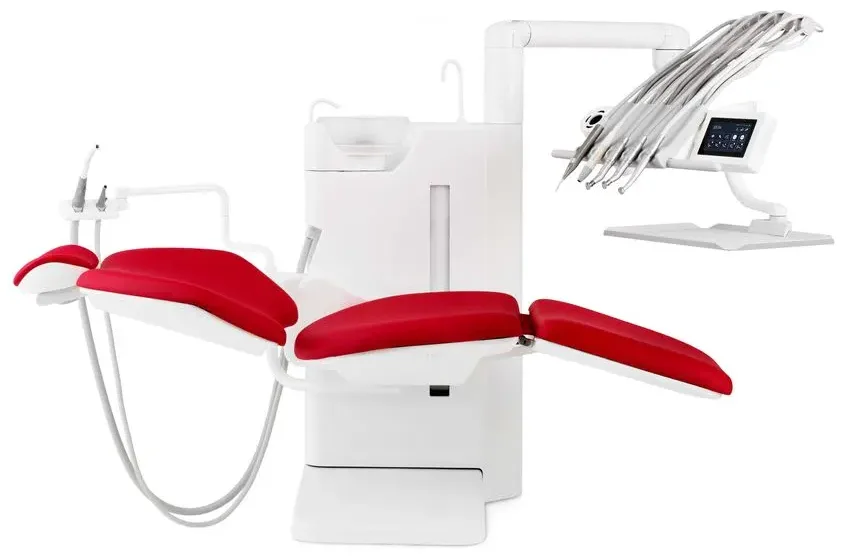
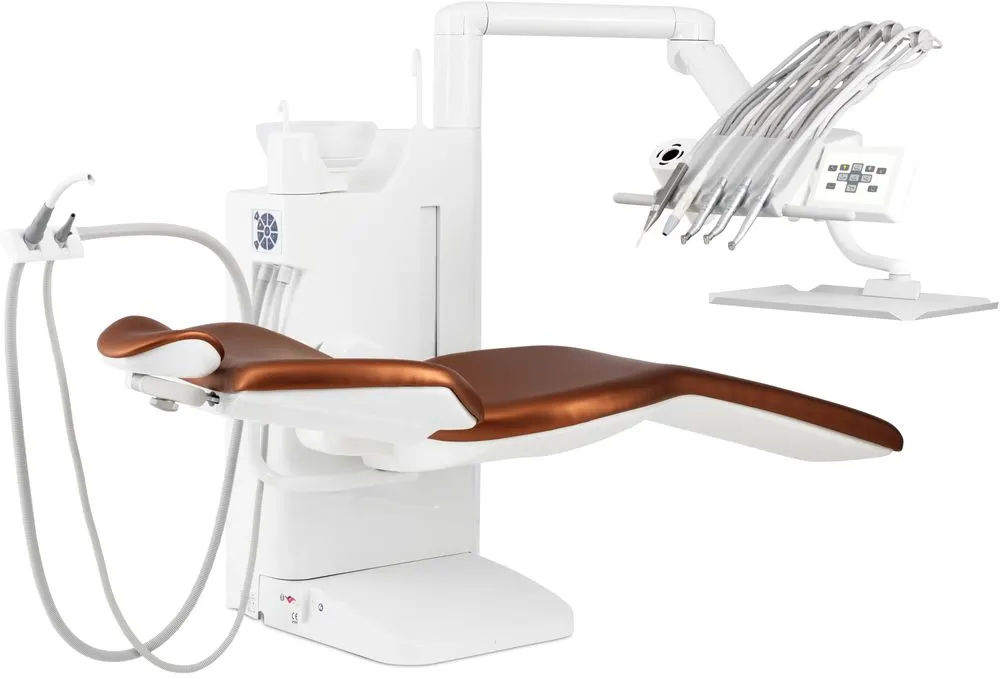
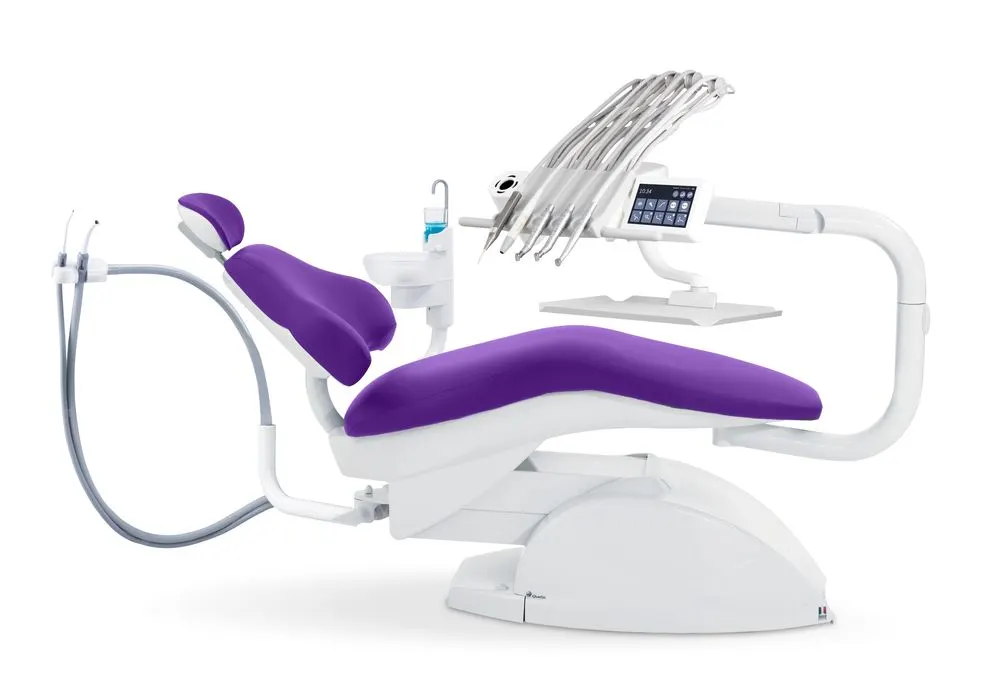
- Choose a treatment chair that allows an ergonomic working posture and correct patient positioning;
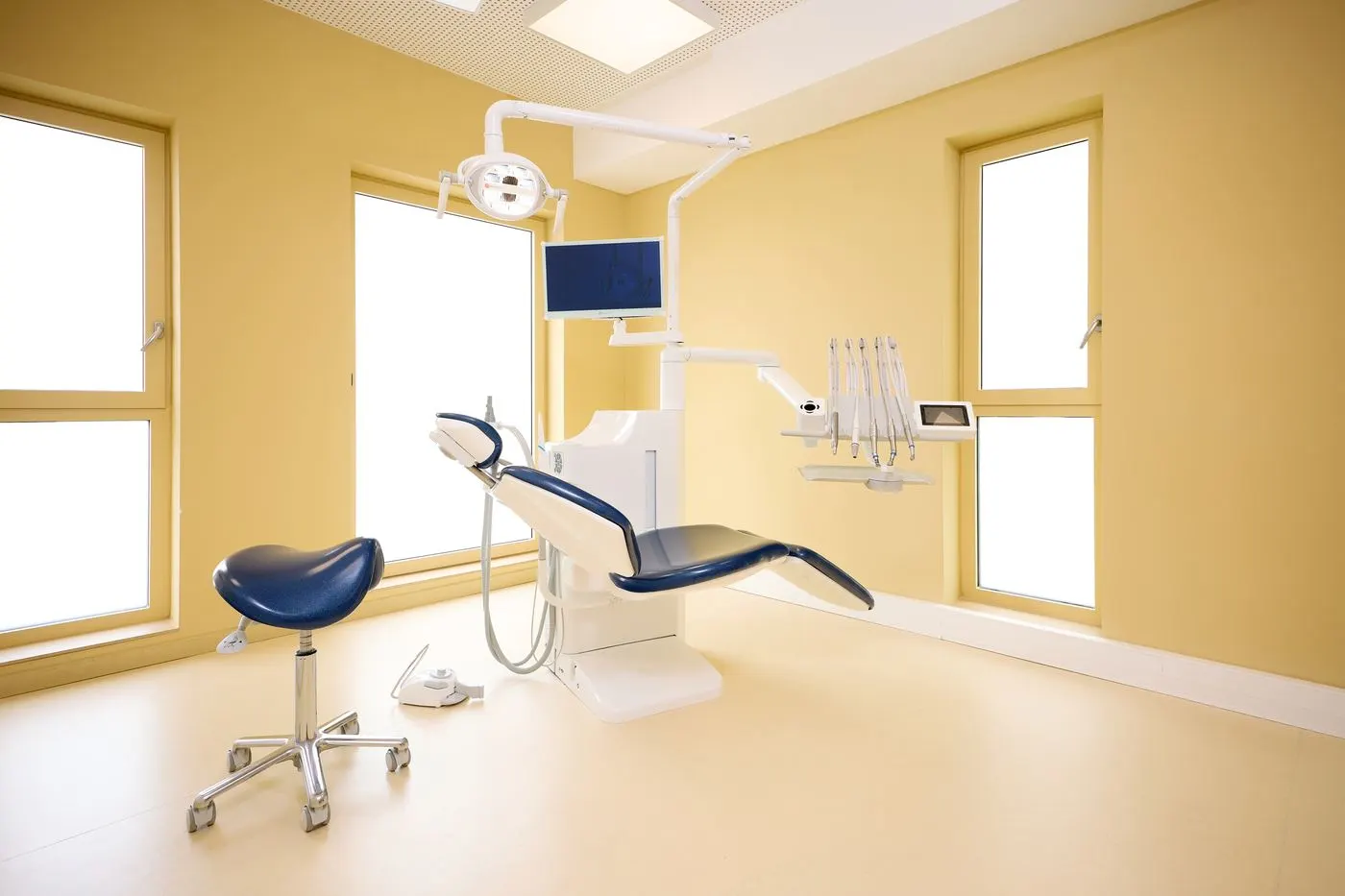
- Choose a stool suited and adjustable to the dentist: ergonomic, height-adjustable, with lumbar support, armrests and a stable, comfortable seat;
- Configure the dental unit according to the dentist's characteristics and type of practice;
- Use appropriate light sources: operating-field lighting and ambient lighting in the treatment room;
- Select correctly adjusted magnification devices;
- Use ergonomically designed instruments: size and weight, diameter and material of the handle;
- Practise four-handed dentistry;
- Take regular breaks and stretch throughout the day, for example between patients.
Your ergonomic dental clinic with Airel Quetin India and Esquare
Preventing MSDs linked to dental practice depends on the ergonomic layout and equipment of the clinic. Airel Quetin India and Esquare support you in creating and personalising your ergonomic dental clinic project.
Design, sales and technical teams work together to understand your needs and wishes, define specifications and propose relevant, precise solutions adapted to your practice.
With more than 40 years of expertise and partnerships with leading manufacturers, Airel Quetin India and Esquare take care of everything: the design and ergonomics of your personalised workspace, made-to-measure fit-out, and advice on and supply of all the equipment and peripherals suited to your needs.
Our chairs are designed in France and made in India, with more than 60% of their parts manufactured in India. Contact us to see them in action.